
For educational purposes only — this article explains the topic in general terms and is not professional, legal, financial or purchasing advice.
Key takeaways
- Identify repetitive tasks that consume the most time.
- Compare integration capabilities with your existing software.
- Evaluate the technical expertise required for setup and maintenance.
- Consider the long-term costs of licensing and API usage.
Identifying Automation Opportunities
The first step in choosing automation software is to identify the specific problems you want to solve. Look for repetitive, rule-based tasks that take up a significant portion of your team's day, such as data entry, invoice processing, or lead nurturing. Before looking at products, map out these workflows to understand where the bottlenecks occur. This clarity prevents you from purchasing complex software with features you don't actually need. A good automation strategy focuses on small wins first to demonstrate value before expanding to more complex, end-to-end business processes.
Evaluating Compatibility and Ease of Use
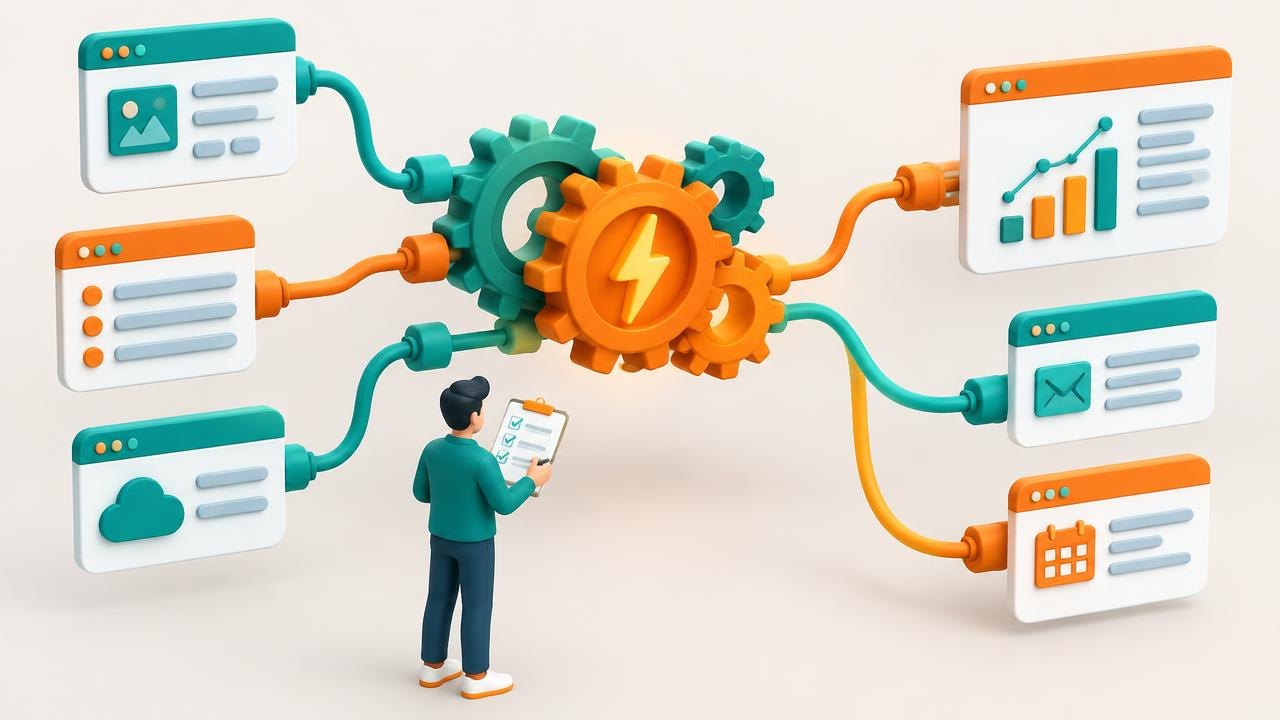
When evaluating different platforms, integration should be a top priority. Your automation tools must communicate seamlessly with your existing CRM, email, and project management systems. Check if the software offers pre-built connectors or if you will need to build custom APIs. Another critical factor is the 'user persona' of the tool. Some platforms are designed for 'citizen developers' with drag-and-drop interfaces, while others require advanced programming knowledge. Choosing a tool that matches your team’s technical proficiency ensures that the software will actually be used and maintained over the long term.
Analyzing Cost and Scalability
The true cost of automation goes beyond the monthly subscription fee. You must account for the time spent on initial setup, employee training, and ongoing maintenance. As your business grows, some tools may become expensive due to volume-based pricing or the need for higher-tier features. Security and compliance are also non-negotiable, especially if the software handles sensitive customer data. Ensure the vendor meets industry standards and offers regular updates. By weighing these long-term factors against the immediate benefits, you can select an automation solution that supports sustainable growth and high efficiency.
Frequently asked questions
Which processes should I automate first?
Start with high-volume, repetitive tasks that follow a clear set of rules, as these provide the fastest return on investment.
Is low-code or pro-code better for automation?
Low-code platforms allow non-technical staff to build simple automations, while pro-code tools offer more customization but require expert developers.
How do I ensure an automation tool is secure?
Look for tools that offer end-to-end encryption, multi-factor authentication, and compliance certifications relevant to your industry.